How It All Started
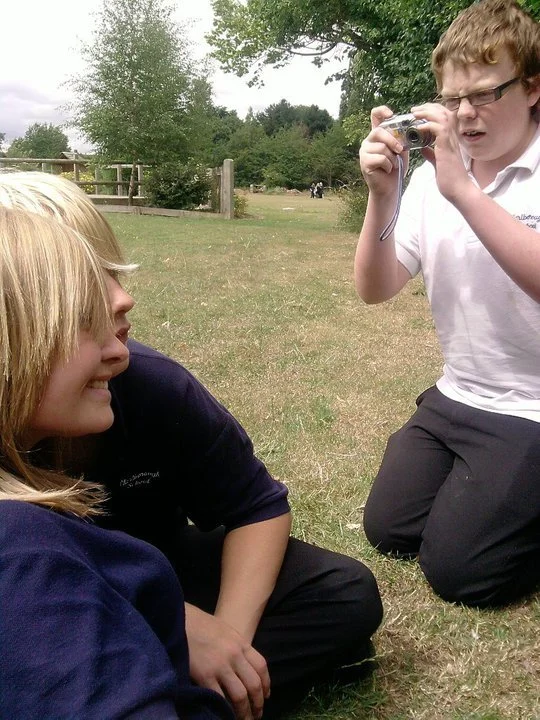
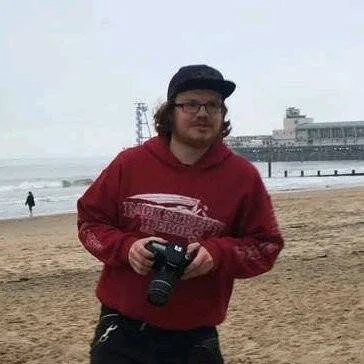
My introduction to photography is pretty similar to most photographers. I got given a digital camera for a birthday, saw that I did something that I believed to be “cool and from there was hooked.
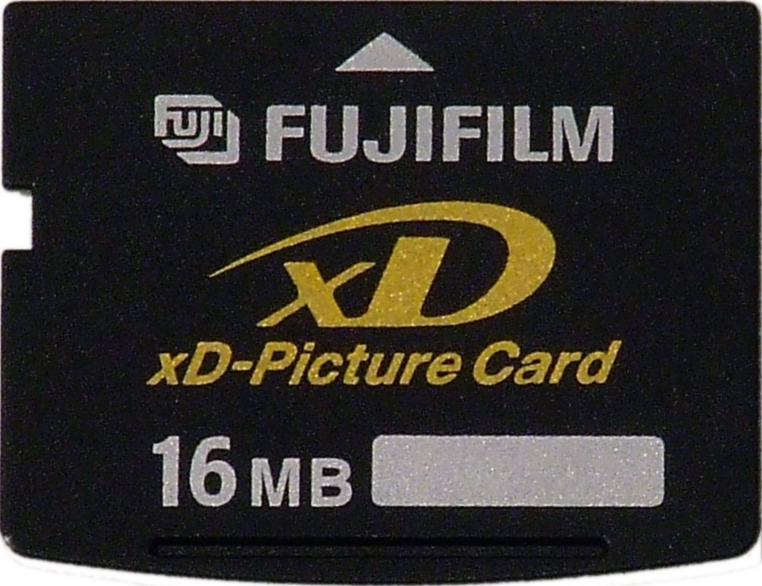
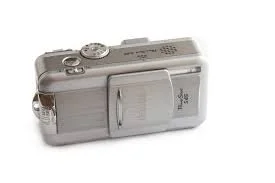
I must have been about 9 or 10 years old. The camera was the worst piece of technology I have ever used. The buttons felt like they had been rejected by the knockoff Game Boys sold in the same £5 bin at the local discount warehouse. It took 4 AA’s, and if the batteries were to die on you, you lost all photos stored on the weird xD card. Despite all of this, I suddenly felt more connected to my family than ever before. My uncle is and was a broadcast cameraman, also a hobbyist photographer, mostly taking travel photos he had taken when on set for various TV shows.
Growing up, my favourite things to play with were his old light meters. They were pretty bad old soviet models that flipped up out of a clamshell, and I didn’t really have the first clue what they did. I also used to love pretending to film with his old 16mm film cameras that were lovingly stored and displayed next to said light meters. Back then, however, all I wanted to be was something involving guns—Army, Special Ops or more likely for me, a super spy. I was convinced his cameras were just a different type of gun I hadn’t yet read or learnt about.
This all changed when I got that first silly digital camera. I shot and shot and shot. I would constantly pack bags for pretend spy missions, and the camera would always be included, as I wanted to make sure I took photos of the bad guys just like in all the video games I was playing at the time. Over time, however, the camera started to be in my pocket, and the card would fill up and then immediately be deleted. Again, I was maybe 10 years of age, so the concept of archiving or editing photos was nowhere close to being a thought. Soon, however, I took up rugby and football, and sadly, the camera didn’t really get much use. It did, however, coincide with mobile phones suddenly having cameras. You could say I may have been a very early adopter of phone photography and would have cleaned up as a modern-day content creator.
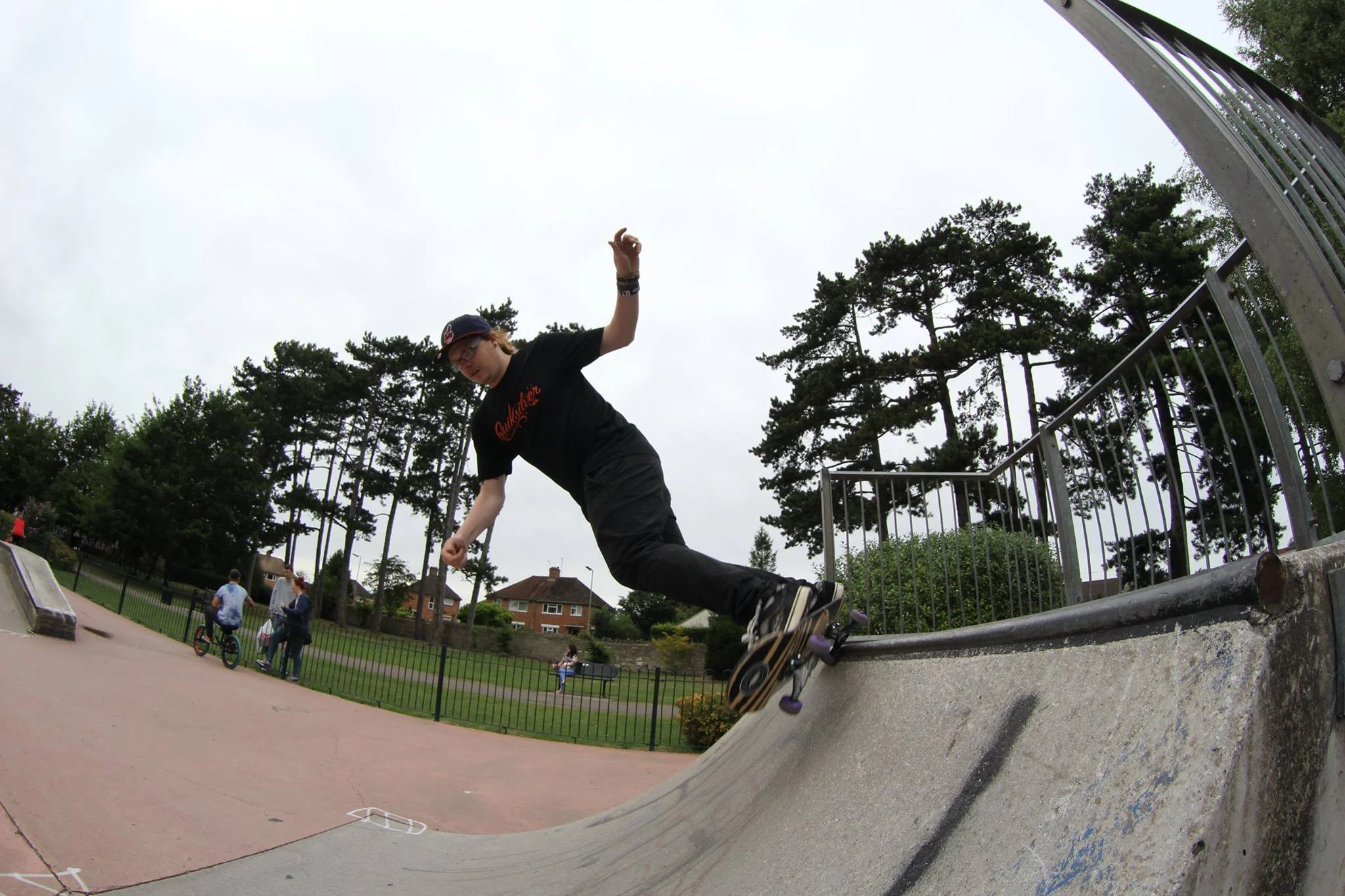
Soon, though, my sport-filled weeks were done. I left rugby and football behind and somewhat limped my way into the start of a creative yet wildly destructive lifestyle. Skateboarding became pretty much everything to me. I had always had a skateboard, and I think any kid my age had Tony Hawks Pro Skater on PS2 and watched MTV with Viva La Bam. Well, at around 15, I bought a new Palace board, found my old trucks, left the rugby boots in the corner, and headed to the local skatepark.
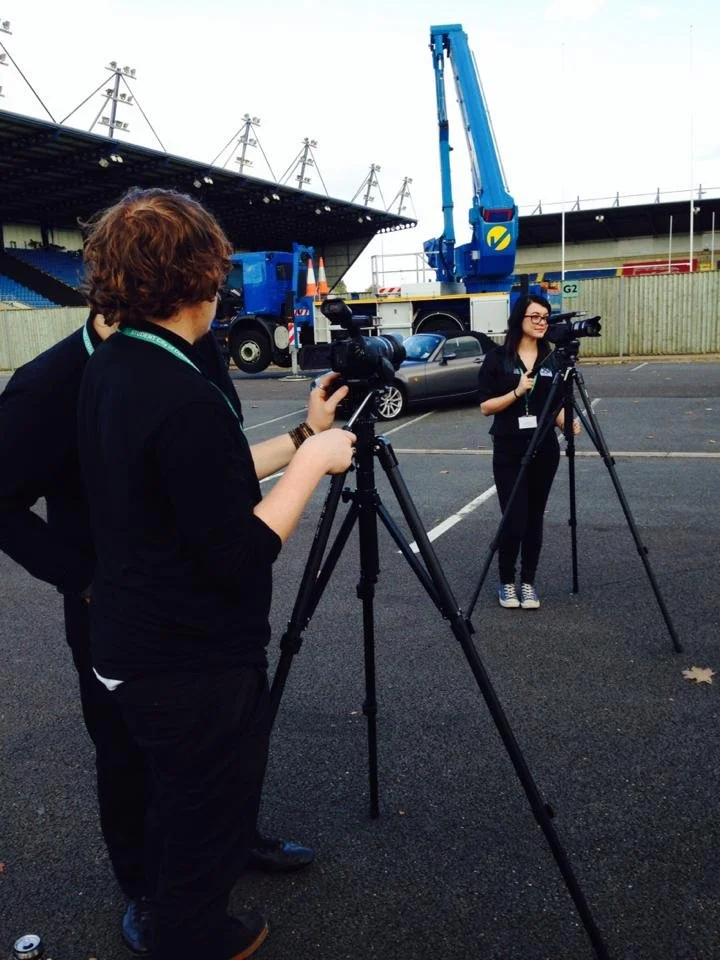
Skateparks are a great place to grow up. You figure out how to fight, how to make friends, how to smoke drugs. Truly, I couldn’t think of a better place to mature as a young person. Skateparks also breed creatives. Every skater wants to see how they look when doing a trick. Every crew from every small town has a video and a “gang name”. Said gangs or crews all have a video they are making ,and at one point or another, everyone has to do a shift behind the lens. I quickly learnt I was far better behind the lens than in front of it. Multiple slams, a fair amount of blood and sweat also confirmed to me I’d rather watch and capture someone than get hurt myself.
We made some videos together, we drank a lot of Red Stripe and smoked far too much terrible weed, but most importantly, we learnt and had fun. I did all this on a Canon 1200D I got for my 16th birthday after begging for it for around 6 months. I quickly saved up some pub job money, brought a fisheye lens for like £30 and what was lovingly known at the time as a CamCaddy. Honestly, the rig was crap; it would have won awards with ShittyRig. However, it was mine, and I knew exactly how to use it. I babied it by using old jumpers to secure it in an old EastPak bag, as I couldn’t afford a proper camera bag just yet.
The 1200D soon became a tool for me to do all sorts of work. I started photographing more than videoing. I was pretty lazy, so I preferred the idea of just having a couple of photos to work with rather than literal hours of video to flick through. I took as much as I could. Skateboarding, partying, bands. No one was safe from my lens. Some loved it, some hated it, but everyone knew I was that guy with the camera. I still remember my first paid gig with that camera. A local metalcore night in Oxford had asked me to shoot some photos of the 6 bands they had playing. I was being paid £50 for the night and had an unlimited bar tab. This was literally the dream. I took my 1200D with an 18-55mm lens and really pushed the boat out by taking a 24mm Seagull-branded FD lens that had been converted to EF. Looking back, this lens may have been the worst lens ever made. However, it all worked. I shot only JPEG as I had no clue what RAW was. I delivered around 300 photos, 250 of which were absolutely not needed. But I arrived back at my friend’s house absolutely wasted and was finally able to call myself a professional photographer.
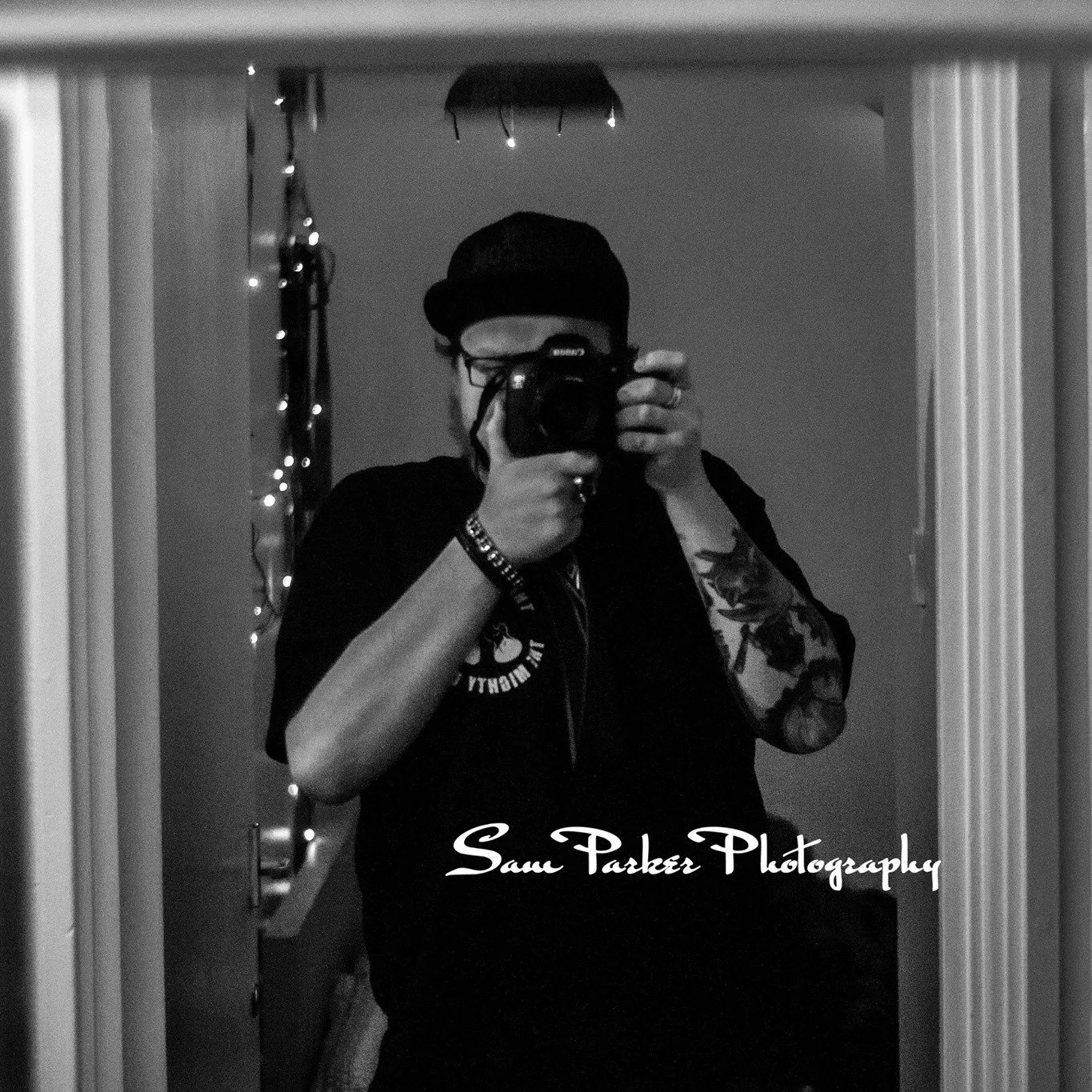
I was 18 and making mistakes left, right and centre; however, I was a quick learner and soon realised I needed to charge a bit more and spend a bit of money to upgrade the system I had, so I could shoot more varied stuff. I went with a 7D. I thought I was buying a 70D; however, the eBay listing was wrong, and I ended up with a far bigger, slightly older unit, but it was “professional” and I loved it. Combined with some more lenses I would get for Christmas and Birthdays (combined gifts from multiple family members), I was able to kit out a lovely little system and really start working as a photographer. I would shoot bands, festivals, tattoo shops, basically anything I thought was cool. I was getting paid. Not a huge amount, I would still have to work a variety of shit jobs, but I knew if I kept going, I could try to survive off photography full-time.
Jump forward 10 years, I have switched systems 5 times, had over 10 camera bodies, shot on a variety of formats and have gained more than enough knowledge on cameras and photography to be insufferable in social situations. I have also had more mental breakdowns than I can count and watched my love for the game grow and eventually die. Thank you for reading the start of my story of becoming a failed photographer. I would still recommend this life for everyone, as it certainly gives you an interesting look at the world and how it works. Catch you in the next story time.